How Dust and Allergens Build Up in Window Treatments
To reduce dust and allergens buildup in window treatments, local contractors can provide thorough cleaning services that remove trapped particles and improve indoor air quality.
Many property owners in the area notice that their window treatments can quickly become a trap for dust and allergens, especially in homes with pets, open windows, or high foot traffic. Understanding how dust and allergens build up in window treatments can help homeowners maintain a healthier living environment and improve indoor air quality. Keeping these areas clean is particularly important for allergy sufferers or anyone looking to reduce dust accumulation, making regular maintenance a practical consideration for many local residents.
Fortunately, local service providers offer specialized window treatment cleaning services designed to address these concerns effectively. These professionals understand the common causes of dust and allergen buildup and can help restore window coverings to a cleaner, healthier state. Exploring options for professional cleaning can be a valuable step for property owners who want to keep their living spaces fresh and free from the buildup of dust and allergens, encouraging a cleaner, more comfortable home environment.
- Dust and allergen window treatment cleaning - homeowners noticing increased allergy symptoms may seek this service to remove accumulated dust and allergens from their window coverings, with local contractors using specialized tools to thoroughly clean fabric and blinds.
- Dust and allergen window treatment cleaning - after seasons of heavy pollen or indoor dust buildup, individuals often look for professional cleaning to improve air quality, with local pros employing dust removal techniques tailored to different window treatment materials.
- Dust and allergen window treatment cleaning - when window treatments become visibly dirty or dusty, residents may contact local service providers to eliminate trapped allergens and dust mites that can worsen respiratory issues.
- Dust and allergen window treatment cleaning - in homes with pets or high dust levels, people may seek professional cleaning to reduce allergens embedded in curtains or blinds, with local contractors using deep cleaning methods for effective removal.
- Dust and allergen window treatment cleaning - prior to allergy season or after home renovations, homeowners often request this service to clear out accumulated dust and allergens from window treatments, with local professionals providing detailed cleaning solutions.
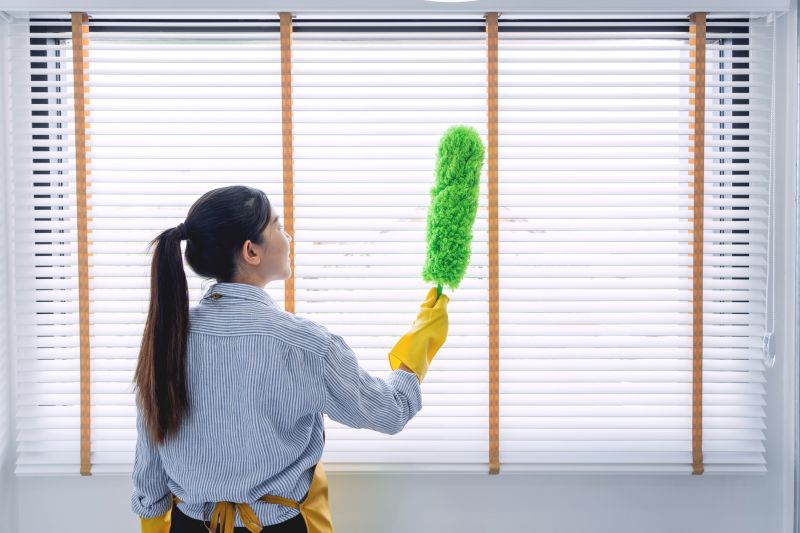

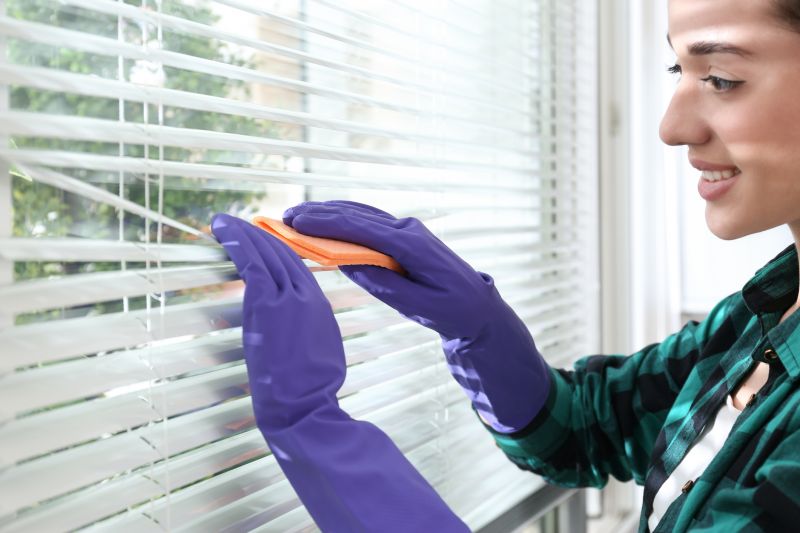
When people search for information about how dust and allergens build up in window treatments, they are often concerned with the health and cleanliness of their living or working spaces. Over time, fabric blinds, curtains, drapes, and other window coverings can accumulate dust, pollen, pet dander, and other airborne particles. This buildup can lead to decreased indoor air quality, especially for individuals with allergies or respiratory sensitivities. Homeowners and property managers may also notice that dust-laden window treatments contribute to a general sense of clutter or dirtiness, prompting them to seek professional cleaning solutions to improve both hygiene and appearance.
This topic is closely related to problems such as allergy flare-ups, respiratory issues, and the difficulty of maintaining a clean environment in properties with high dust levels. Many property owners plan regular cleaning routines to manage these issues, but window treatments can be particularly challenging to keep spotless due to their material and placement. For those with busy schedules or sensitive health concerns, DIY cleaning may not suffice to thoroughly remove embedded dust and allergens. As a result, they often look for specialized services that can effectively clean and refresh window treatments, reducing allergen presence and improving indoor air quality.
The types of properties that typically come up when discussing dust and allergen buildup in window treatments include residential homes, apartments, condos, and commercial spaces such as offices or retail stores. In homes, especially those with pets, children, or allergy sufferers, maintaining clean window coverings is a priority for comfort and health. Commercial properties with large or numerous window treatments may face even greater challenges in keeping these surfaces free of dust. These environments often require professional cleaning to ensure that dust and allergens are thoroughly removed without disrupting daily activities or damaging delicate fabrics and materials.
Local service providers specializing in dust and allergen window treatment cleaning play a key role in addressing these concerns. They offer targeted cleaning solutions designed to remove accumulated dust, pollen, and other particles from various types of window coverings. These professionals understand the importance of gentle yet effective cleaning methods that preserve the integrity of fabrics and materials while improving indoor air quality. Engaging with experienced contractors can help property owners maintain healthier, cleaner spaces, especially in environments where dust and allergens tend to build up quickly or cause ongoing issues.
Upholstery Cleaning - upholstery cleaning involves removing dust, allergens, and debris from fabric surfaces, similar to cleaning window treatments to reduce allergen buildup.
HVAC Filter Replacement - replacing or cleaning HVAC filters helps improve indoor air quality by reducing airborne allergens, complementing efforts to keep window treatments allergen-free.
Carpet Cleaning - carpet cleaning techniques target dust and allergens embedded in fibers, paralleling methods used to eliminate buildup in window treatments.
Blinds and Shutter Maintenance - servicing blinds and shutters involves dust removal and cleaning, which directly relates to maintaining clean window treatments and reducing allergen accumulation.
Air Duct Cleaning - cleaning air ducts minimizes dust and allergens circulating indoors, supporting overall efforts to improve air quality in spaces with window treatments.
Curtain and Drapery Cleaning - professional curtain cleaning shares techniques with window treatment cleaning, focusing on removing dust and allergens from fabric surfaces.
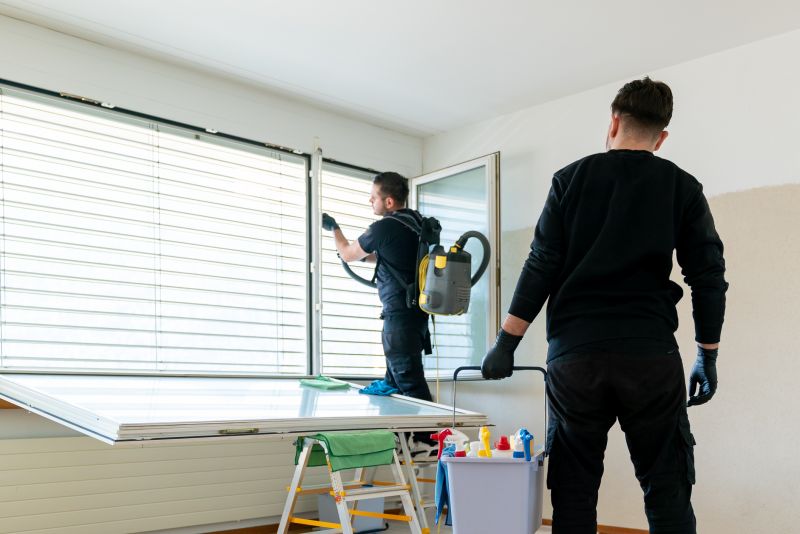
When comparing local contractors for dust and allergen window treatment cleaning services, it is important to consider their experience with similar projects. A provider with a history of working on window treatments like blinds, shutters, or drapes can better understand how dust and allergens tend to accumulate in these specific surfaces. This familiarity often translates into more effective cleaning methods and a thorough approach that addresses common problem areas, helping to improve indoor air quality and reduce allergen buildup.
Clear written expectations are essential when evaluating potential service providers. Homeowners should seek detailed descriptions of the cleaning process, including what types of treatments are used, the scope of work, and any preparation needed beforehand. Having this information in writing helps ensure that both parties are aligned on the services to be performed, reducing misunderstandings and ensuring that the cleaning meets expectations for removing dust and allergens from window treatments.
Reputable references and good communication are key indicators of a reliable local contractor. Asking for references or reviews from previous clients can provide insight into the quality of work and customer satisfaction. Additionally, a contractor who communicates clearly and promptly can make the process smoother, answering questions and providing guidance throughout the project. These qualities help ensure that the homeowner feels confident in the choice of service provider and that the job will be completed to a satisfactory standard.
Property owners often search for how dust and allergens build up in window treatments when they are planning practical projects around their homes and businesses. Local pros provide Dust and Allergen Window Treatment Cleaning services for everyday jobs and straightforward project options.
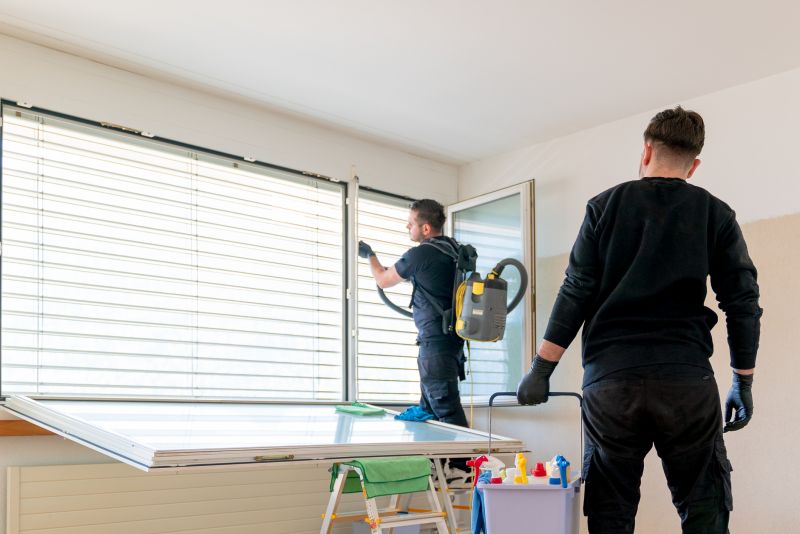
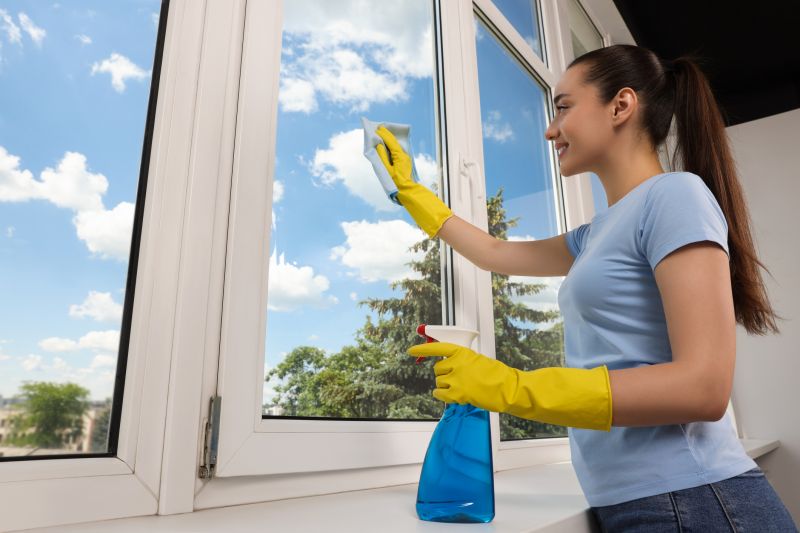
Dust and allergens tend to accumulate in window treatments over time, especially in homes where windows are frequently opened or where pets are present. Everyday activities such as opening and closing blinds or curtains can stir up settled particles, allowing dust, pollen, pet dander, and other allergens to settle into fabric or hard surface coverings. This buildup can become more noticeable in rooms with high traffic or in properties located in areas prone to dust and pollen, prompting property owners to seek professional cleaning services to maintain a healthier indoor environment.
Many property owners in the area look into dust and allergen window treatment cleaning services when they notice increased sneezing, allergy symptoms, or visible dust on their window coverings. Regular cleaning by experienced service providers can help reduce allergen levels and improve indoor air quality. Local contractors offer specialized cleaning solutions that can reach into delicate fabrics or intricate window treatment designs, ensuring a thorough removal of dust and allergens. Engaging with these professionals provides an effective way to keep window treatments clean and contribute to a more comfortable living space.
How do dust and allergens accumulate in window treatments? Dust and allergens settle on window treatments through everyday air circulation, settling into fabric or material surfaces over time, especially if not cleaned regularly.
Why do window treatments tend to trap dust and allergens more than other household surfaces? Their fabric, texture, and position near windows make window treatments more prone to trapping airborne particles compared to flat surfaces like walls or furniture.
How can regular cleaning help reduce dust and allergens in window treatments? Regular cleaning by local contractors can remove accumulated dust and allergens, improving indoor air quality and reducing allergy triggers.
What types of window treatments are most likely to build up dust and allergens? Fabric blinds, curtains, and soft window coverings are especially prone to trapping dust and allergens due to their material and surface area.
How do dust and allergens get into window treatments in the first place? They enter indoor spaces through open windows, ventilation systems, and everyday activities, then settle onto window treatments over time if not cleaned regularly.
Identify areas with high dust accumulation - property owners can assess which window treatments are most exposed to dust and allergens, making them a priority for professional cleaning services.
Schedule regular cleaning intervals - setting up routine cleaning with local contractors helps prevent the buildup of dust and allergens over time.
Choose appropriate cleaning methods - consulting with professionals ensures window treatments are cleaned using techniques that effectively remove dust without damage.
Implement preventative measures - property owners can explore options like dust-proof covers or air purifiers, with local pros providing advice on maintaining cleaner window treatments.
If you are thinking about how dust and allergens build up in window treatments for a property, this guide is meant to help you understand this topic, the typical project types, and how different options might fit your plans.
When you are ready, you can use the quote form on this page to share a few details about your project. From there, local pros can review the basics and follow up with options that match what you have in mind.